

Magento is the platform for shops that refuse to follow a standard template and need high individuality with scalability. Maximum flexibility, built to scale — and seamlessly connected to Microsoft Dynamics 365 Business Central by us.
Magento (today Adobe Commerce / Magento Open Source) is an established open-source e-commerce platform with a long history. The 2015 release brought a major step forward, especially in performance, scalability, and usability.
The foundation: modular architecture, a powerful attribute and catalog system, multi-store capability, and a very comprehensive API. Whether complex B2B pricing logic, configurable products with hundreds of variants, or international multi-website setups: Magento handles what other systems struggle with.
That makes Magento a strong fit for companies that want to grow professionally, flexibly, and sustainably in digital commerce. Magento is our specialty — since 2012, from the first shop to ERP integration.
An intuitive admin interface makes day-to-day shop management much simpler.
From small shops to large platforms with high traffic volumes.
A large developer community with continuous extensions and support.
Manage multiple shops from one installation — especially for international businesses.
Optimized processes and Varnish cache noticeably reduce load times.
Add features easily; extensive API for third-party integrations.
A shorter checkout reduces cart abandonment; responsive on all devices.
Two-factor authentication; payment processing can be PCI-DSS compliant depending on setup.
Serve multiple brands, countries, and customer groups from one Magento instance: separate domains, catalogs, prices, and languages per store view, maintained centrally and delivered locally.
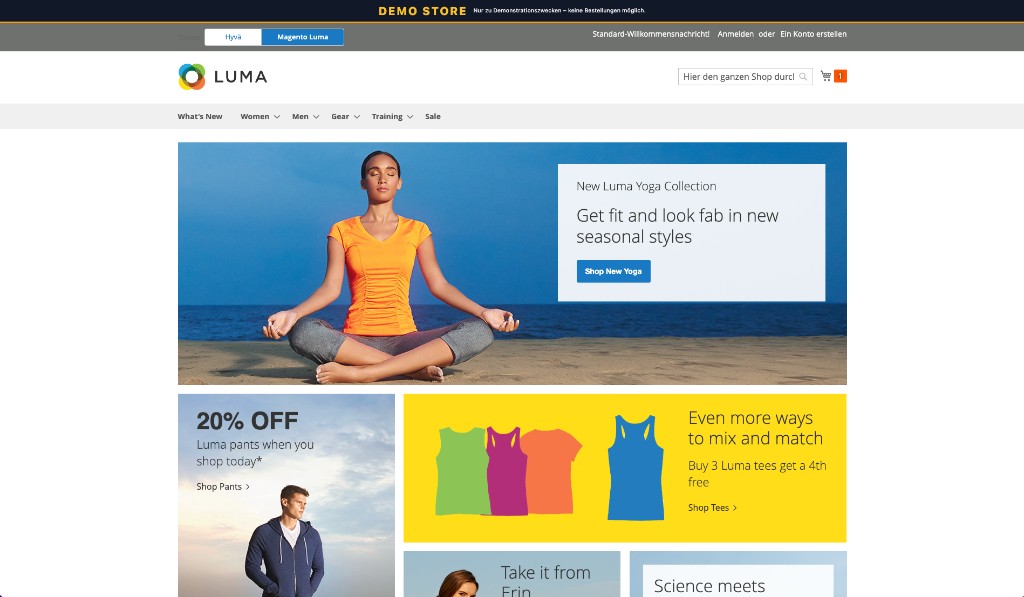
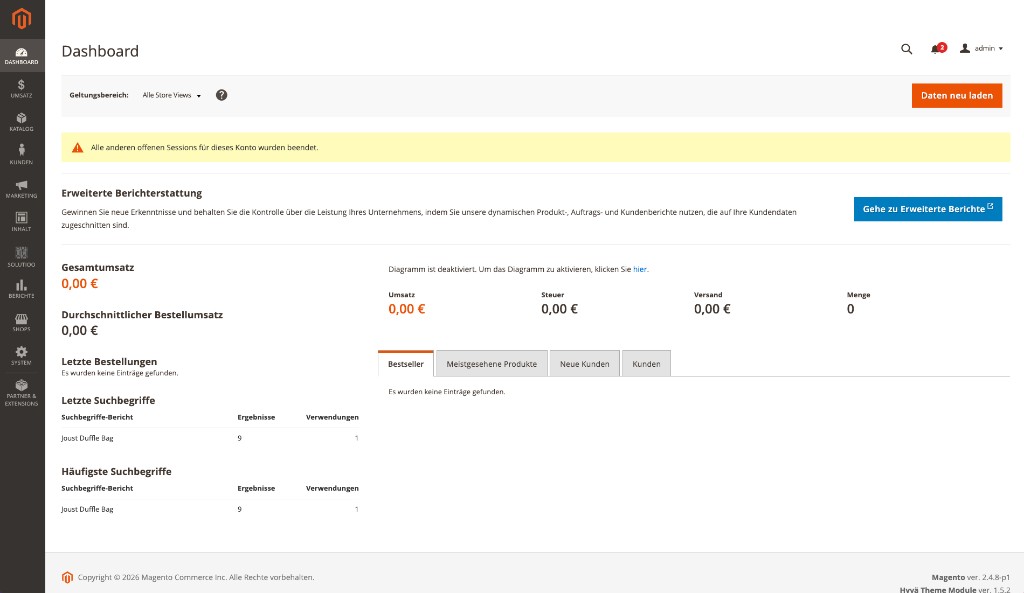
Company accounts with roles and approval workflows, individual catalogs and price lists, quote negotiation and quick order: Magento delivers real B2B functionality — depending on the edition (Adobe Commerce B2B Suite or suitable extensions; not fully available in every Open Source install).
Varnish full-page cache, Redis, OpenSearch, and asynchronous processing: Magento / Adobe Commerce (OpenSearch from 2.4.8) is built for high loads and large catalogs, Black Friday included.
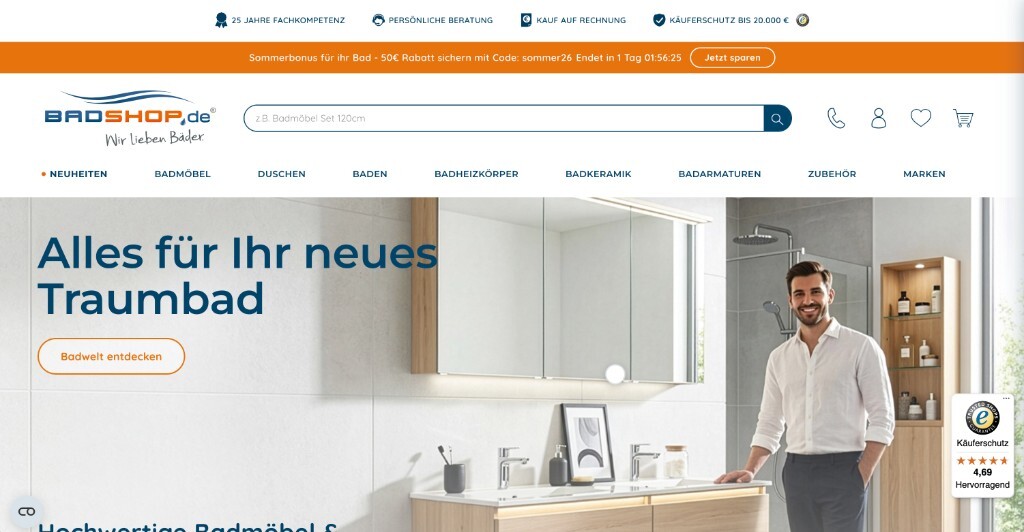
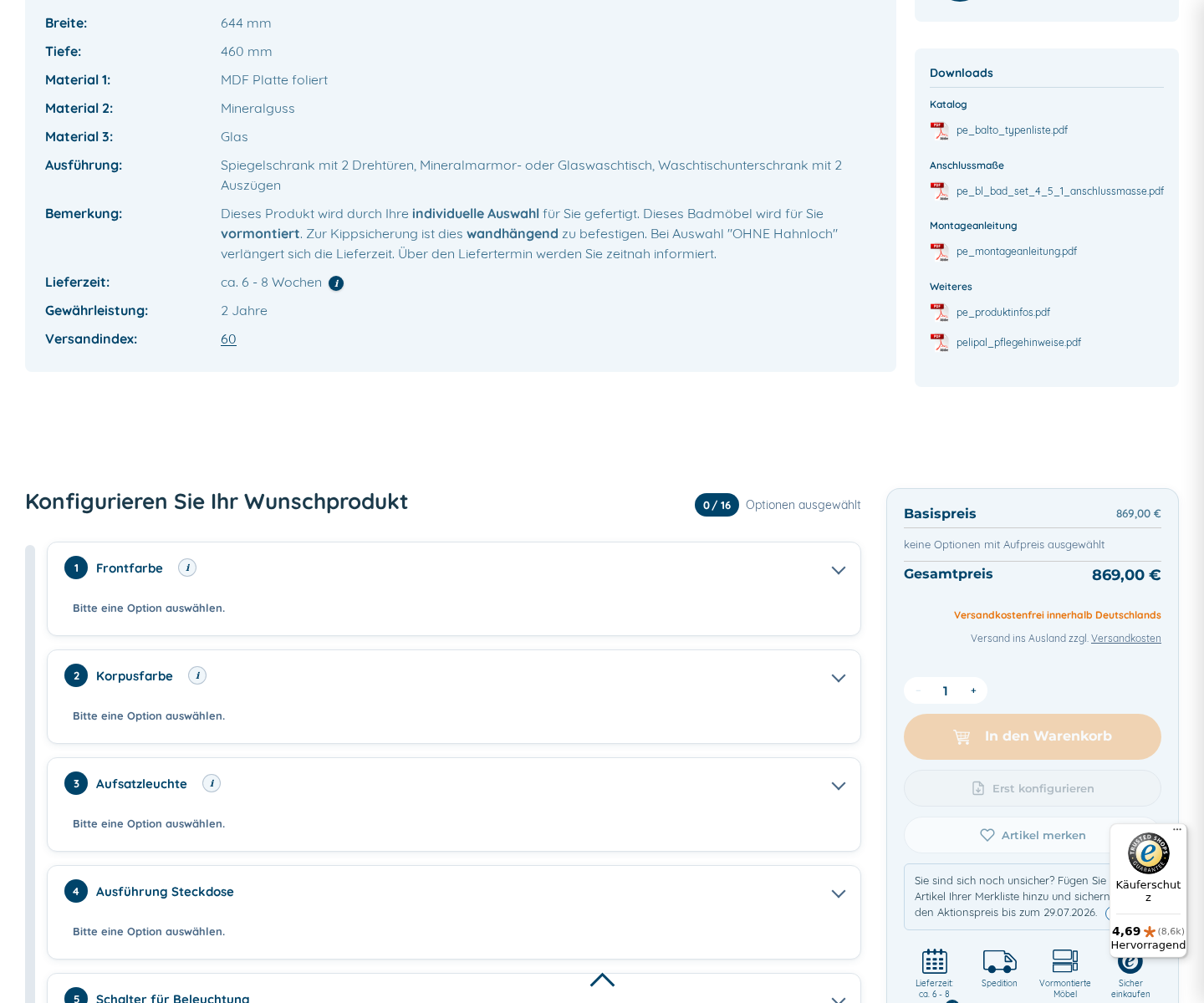
For badshop.de we rebuilt the Magento store — with Mollie payment processing, shipping logic for parcel and freight items, and a product configurator on the product detail pages.
Our developers built a connector between Magento and Microsoft Dynamics 365 Business Central that automatically synchronizes items, orders, customer data, and stock movements. Sync runs without middleware via the job queue — with configurable intervals. That integrates your sales processes cleanly into your ERP.
 Microsoft Dynamics 365
Add-on modules for Magento, usable on their own and without a theme lock-in. EU legal guarantee & GARAN and ChatGPT product search free on GitHub; withdrawal module on request.
Digital withdrawal button for the EU consumer protection rules from 19 June 2026: two-step, documented, for Luma and Hyvä — module on request.
Mandatory EU notice and optional manufacturer durability guarantee (GARAN) in Magento. Kept separate and controllable in the backend.
Magento catalog as an ACP product feed for ChatGPT product search: store views, validation, SFTP and OpenAI Commerce API. Checkout stays in the shop.
Open Source already covers a lot and is license-free. Adobe Commerce adds B2B Suite, Page Builder, staging, and support. We advise honestly on which variant fits your business. Often Open Source plus targeted extensions is enough.
No. Set up properly, Magento is efficient for mid-market merchants too. What matters is solid hosting, lean extensions, and automated processes — for example via our Business Central connector.
With our Magento Connector: a native Business Central extension that synchronizes products, prices, stock, customers, and orders bidirectionally. Sync runs without middleware via the job queue.
Yes. The withdrawal module for the digital withdrawal button (on request) as well as EU legal guarantee & GARAN and ChatGPT product search free on GitHub (github.com/solutioo365). More modules will follow.
Magento 1 is end-of-life and a security risk. We migrate your shop systematically to Magento, including data, design rebuild, and SEO redirects.
A Magento relaunch typically takes 3–6 months depending on complexity. Smaller optimizations and ERP integration are delivered much faster.
We are happy to discuss our services and your requirements with you.